
Platelet-Rich Plasma Injections in Annandale, Virginia
- Home
- Treatment Options
- Platelet-Rich Plasma
When a tendon, heel, or joint hurts every time you load it, your day starts revolving around what you can do without feeling too much pain. Work, exercise, stairs, lifting, and sleep can all become harder. After weeks or months of the same problem, you may begin to fear that the pain will become permanent. At Health Builders, we provide platelet-rich plasma injections for tendon injuries and other joint issues that are keeping you from moving, exercising, and living your life fully.

What Are PRP Injections and How Do They Work?
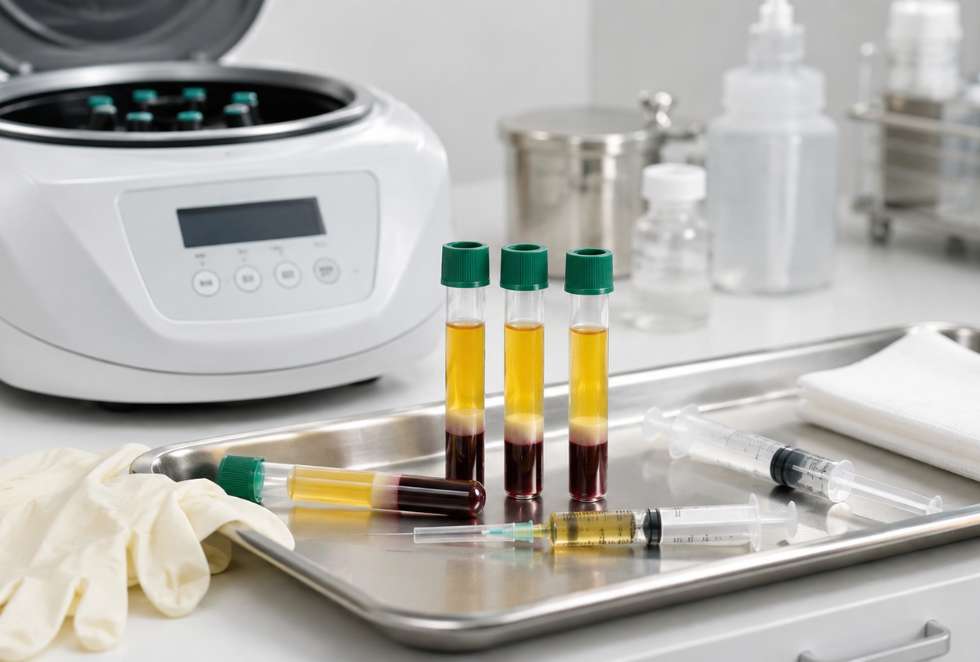
Platelet-rich plasma, or PRP, is prepared from a sample of your blood. The sample is processed to concentrate platelets, which release proteins involved in the body’s repair response. The prepared PRP is then injected into the area being treated.
At Health Builders, we use PRP for tendonitis and tendinopathy, Plantar Fasciitis, musculoskeletal and sports injuries, hair loss, and stress incontinence. We use a blood counter during preparation to count the platelets in the sample tested. We also explain how PRP may help your condition, what the injection involves, and what recovery looks like for the application you are considering.
Explore Platelet-Rich Plasma at Health Builders
Conditions We Use PRP to Treat
Learn how PRP is used for tendon, heel, sports injury, hair loss, and stress-incontinence treatment.
How PRP Injections Can Help You
Learn what to bring and what happens before, during, and after treatment.
Prepare for Your Visit
See what to bring, what happens during your visit, and what comes after.
Visits, Costs, and Insurance
Review appointment planning, recovery, cost, insurance, Medicare, and common questions.
How We Prepare and Perform PRP Injections
Your PRP treatment begins with what you want help with. We then examine the problem, prepare the platelet-rich plasma, measure the platelet count, complete the injection, and explain your aftercare.
01
Tell Us What You Want to Treat
Tell us where you hurt, which movements bring the pain back, where your hair is thinning, or when stress-incontinence leakage occurs. We also ask how the problem affects work, exercise, sleep, appearance, privacy, or daily life.
02
We Examine the Area and Review Your Health
We examine the area being treated and review your diagnoses, medicines, supplements, earlier treatment, test results, and imaging. We explain whether PRP is recommended and whether testing, another treatment, rehabilitation, imaging, or referral should come first.
03
We Draw a Blood Sample
We collect a blood sample for the PRP preparation. Tell us about bleeding problems, low platelet counts, anemia, fainting during blood draws, active infection, or medicines and supplements that affect bleeding.
04
We Prepare the Platelet-Rich Plasma
We process the blood sample and separate the platelet-rich portion used for treatment. The preparation can vary according to the treatment area and the procedure being performed.
05
We Measure the Platelet Count
We use a blood counter during preparation to count the platelets in the sample tested. This gives us a measured platelet value for the preparation made during your visit with our care team.
06
Dr. Kim Performs the Injection and We Review Aftercare
Our team prepares the treatment area, and Dr. Kim performs the PRP injection. Before you leave, we explain soreness, activity, medicine use, care for the treated area, and when your progress will be reviewed.
Conditions We Use PRP to Treat

Joint Pain and Sports Injuries
PRP delivers concentrated platelets directly to injured joints, tendons, ligaments, and other musculoskeletal tissues. The platelets release growth factors and other proteins involved in tissue repair. PRP can help reduce pain and improve movement so walking, exercise, sports, work, and daily activities become easier.

Plantar Fasciitis
PRP is injected near the plantar fascia to stimulate a local repair response in the tissue causing heel pain. PRP can reduce pain and improve foot function over time, reduce your pain, and making standing, walking, working, exercise, spending time with your loved ones less painful.

Hair Loss and Thinning Hair
Scalp PRP places concentrated platelets around the hair follicles. For androgenetic alopecia, a common hereditary form of hair loss, PRP can increase hair density and support thicker hair growth for some patients. Treatment focuses on the areas where thinning and loss of density are affecting your hair.

Stress Incontinence
PRP is used for stress incontinence when coughing, sneezing, laughing, lifting, running, or exercise causes urine leakage. The treatment places platelet-rich plasma into vaginal tissues involved in urinary support. PRP may help improve tissue function and reduce leakage, making exercise and other physical activity easier to manage.
How PRP Injections Can Help You
At Health Builders, we use PRP injections to help treat multiple conditions our patients may have. How we perform the injection, what recovery looks like, and how we track progress depends on the condition being treated.
Walk and Stand With Less Pain
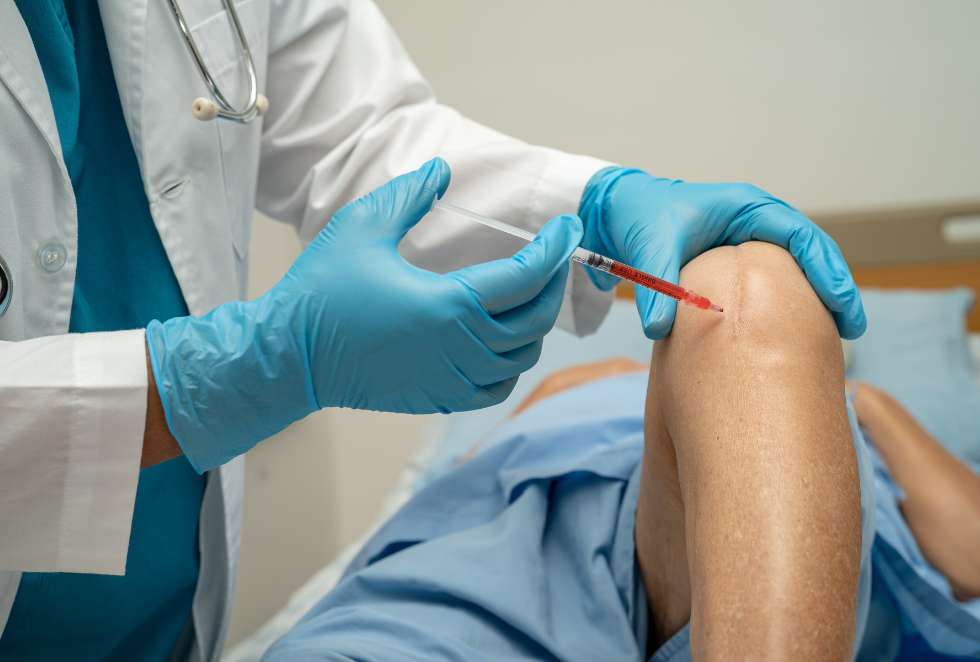
PRP injections place concentrated platelets from your own blood into the injured joint or tendon. For problems that make standing or walking painful, PRP can support tissue repair, reduce pain, and help you move more comfortably through work, errands, and daily life.
Handle Work and Household Responsibilities
Pain during lifting, gripping, reaching, or climbing stairs can slow down work and shift more responsibilities to your family. Reducing pain can make it easier to carry groceries, finish a workday, and manage more at home.
Return to Exercise, Running, and Sports
PRP can be used for tendon, ligament, and joint injuries that keep you away from running, training, or sports. Concentrated platelets are delivered to the injured tissue to support repair, reduce pain, and help you rebuild function as your treatment progresses.
Move Without Expecting the Pain to Return
When the same movement hurts repeatedly, you may begin avoiding it before the pain starts. Reducing pain and improving function can help you use the area more comfortably as activity increases.
Ready to Schedule a PRP Appointment?
PRP can feel like a big decision. We take time to understand what you want help with, explain how PRP may help, and answer your questions before you schedule treatment.
Meet the Team Behind Your PRP Care
Dr. Kim provides PRP injections at Health Builders. Our care team supports your appointment before and after the injection and answers your questions about preparation and recovery.


Patient Experiences With Health Builders
Living with pain, hair loss, or leakage can wear you down in ways other patients may never see. Our patients often talk about how much it means to feel heard, have time for questions, and receive care from a team that takes them seriously.
“I wasn’t feeling well and had the pleasure of being seen and treated by Dr Kim, she was nice, patient and very knowledgeable about my condition, made me feel heard and wasn’t in a rush to get rid of me and off to her next patient. She discussed with me in detail about receiving further treatment and referred me to Dr Fuller. He was amazing!”
Claudia Peralta-Monterrosa
“As a board certified, licensed Acupuncturist, I routinely refer patients to both Dr. Fuller and Dr. Kim, and have been under the care of the two of them for a cervical disc herniation. People who suffer from chronic fatigue, endocrine disorders, autoimmune issues and general aches and pains can benefit from seeing one or both of these caring healthcare professionals. I highly recommend Dr. Kim for Prolozone and PRP (platelet rich plasma) therapies as well.”
Bill Reddy
“I have the utmost respect for the Doctors and staff at HealthBuilders. Doctor Kim and Doctor Fuller and Bianca are attentive to one’s needs and focus on listening and accompanying one on their healing journey. I can reach out for an appointment and they work to get me in right away and their professionalism and care is always 110%!”
Maria Sanchez-O'Brien
What to Expect Before, During, and After PRP Injections
Knowing what to expect can make a blood draw and injection feel less stressful. We explain how to prepare, what happens during your visit, and how to care for the treated area afterward.
Before Your Appointment
Complete your forms at least 48 hours before your appointment. Bring any recent imaging or test results and a current list of your medicines and supplements. Tell us about bleeding problems, low platelets, anemia, infection, pregnancy, fainting during blood draws, or difficult experiences with injections. Any medicine change should come from the clinician who prescribed it.
During Your Appointment
We examine the area, draw a blood sample, prepare the platelet-rich plasma, and measure the platelet count. We then prepare the treatment area and complete the injection. The exact sequence and length depend on what you are treating, and we explain what you may feel before we begin.
After Your Appointment
Some soreness, swelling, bruising, or a temporary increase in symptoms can happen after PRP. Your aftercare depends on where the PRP was used. We explain when you can return to work, exercise, bathing, hair care, or sexual activity. Call us if you develop fever, worsening redness, drainage, severe pain, new weakness, or persistent numbness.
PRP Visits, Costs, and Insurance
Before treatment begins, we explain how long the visit may take, how many treatments may be recommended, what PRP costs, and how payment and coverage work.
Visit Length and Treatment Schedule
A PRP appointment usually takes about 45 to 60 minutes. This includes the blood draw, PRP preparation, platelet count, and injection. The number and timing of visits depend on what we are treating, and we explain the plan before treatment begins.
PRP Cost
We price musculoskeletal, hair, and stress-incontinence PRP separately. Call our clinic for the current fee and an explanation of what the price includes.
Insurance and Medicare
PRP is often a self-pay procedure. Commercial insurance and Medicare coverage depend on the procedure and policy. Call our clinic before scheduling so we can explain the current payment process and whether a superbill is available.
Explore Related Care
Questions About PRP Injections?
Call our clinic to ask about the conditions we treat with PRP, the blood draw, platelet measurement, recovery, or current pricing. We can also explain which records to bring and which appointment to request.
How Long Is PRP Recovery?
PRP recovery depends on the body area and procedure. Musculoskeletal injections commonly cause soreness and temporary activity limits for several days. A return to running, lifting, heavy exercise, or sport can take longer and follows the instructions for the diagnosed condition.
Scalp PRP usually involves local aftercare for washing, styling, and scalp products. Stress-incontinence PRP requires its own pelvic-health recovery and activity instructions.
Before you leave, we explain when you can return to work, drive, exercise, bathe, use medicines, care for your hair, or resume sexual activity. We also tell you when we want to review your progress and when to contact our clinic.
What Are the Side Effects of PRP Injections?
Common PRP side effects include pain, soreness, swelling, bruising, and a temporary increase in symptoms around the injection area. The blood draw can also cause bruising, lightheadedness, or fainting.
Less common risks include infection, bleeding, tissue injury, nerve injury, or a reaction to numbing medicine when it is used. The injection area and procedure affect the risks.
Active infection, bleeding disorders, low platelets, anemia, pregnancy, serious illness, and medicines or supplements that affect bleeding can change the procedure plan. Give the medical team a complete list of medicines and supplements. Any medicine change must come from the clinician who prescribed it.
Do PRP Injections Hurt?
PRP injections can be uncomfortable. The experience includes the blood draw, the injection, pressure within the tissue, and the sensitivity of the treatment area. Scalp, tendon, plantar fascia, joint, and pelvic-health procedures can feel different.
You may feel pressure, stinging, aching, burning, or temporary soreness. Numbing medicine may be used for some procedures. We explain any numbing medicine or other steps we use for discomfort before the injection begins.
Tell the team about needle fear, fainting, a low pain tolerance, or a difficult past procedure. During the injection, speak up when the sensation becomes sharp, intense, or different from what was explained.
How Many PRP Injections Are Needed?
The number of PRP injections depends on the application, diagnosis, preparation, treatment area, and response. Musculoskeletal PRP may use one or more injections. Hair-loss plans commonly use a series with later maintenance. Stress-incontinence treatment can use a separate schedule.
A complete treatment plan states the starting number of procedures, spacing between visits, the symptom or activity being measured, and the point when progress will be reviewed.
Progress can be measured through pain during walking or lifting, return to work or exercise, changes in hair density, or leakage during activity. Additional treatment depends on the diagnosis, response, and goal.
Does Insurance Cover PRP Injections?
Insurance coverage for PRP varies by plan, diagnosis, body area, application, and procedure code. Many commercial plans classify PRP as investigational or place it outside covered benefits, leaving the patient responsible for the cost.
Provider network participation and procedure coverage are separate questions. A provider can participate with a plan while the plan excludes the PRP procedure.
Ask your insurer whether the specific PRP application is covered, whether prior authorization is required, whether out-of-network benefits apply, and whether a superbill can be submitted. Also ask how the deductible, allowed amount, coinsurance, and excluded balance affect what you owe.
Does Medicare Cover PRP Injections?
Medicare coverage is generally unavailable for PRP injections used for musculoskeletal injuries and joint conditions. National Medicare coverage exists in narrow circumstances involving certain chronic non-healing wounds. Those wound-care circumstances are separate from the PRP applications offered through our clinic.
A provider’s Medicare status and the procedure’s coverage are separate billing questions. Provider participation does not create coverage for an excluded procedure.
Call our clinic or send us a message. We can answer questions about current appointment availability, pricing, preparation, insurance, Medicare, and the PRP applications available through our clinic.
Platelet-Rich Plasma FAQs
We put together some of the most common questions we get from our patients who have come to us for PRP treatments so you can be more informed before arriving at the clinic.
Still Have Questions?
Call our Annandale clinic or send us a message. Our care team can answer questions about appointments, fees, and other treatment options.
Ready to Talk About PRP Injections?
Tell us what you want to treat and how it affects your movement, work, appearance, privacy, or daily life. We will contact you about scheduling, current fees, and what to bring.
Explore Our Holistic Health Hub
Read our current articles about PRP applications, treatment choices, preparation, cost, and questions to bring to your appointment.
Vaginal PRP for Stress Incontinence: What Women Want to Know
TruDose IV PRP Treatment Options: What We Review Before You Decide
What Is a PRP Injection? Cost, Recovery, and What to Ask
Questions About Starting Care With Us?
Find answers about scheduling, forms, fees, insurance, payment, and what to expect when you begin care at Health Builders.
Schedule a Platelet-Rich Plasma Appointment in Annandale
Tell us whether you are asking about pain, hair loss, or stress incontinence and how the problem affects your life. We will contact you about scheduling, current fees, and what to bring.