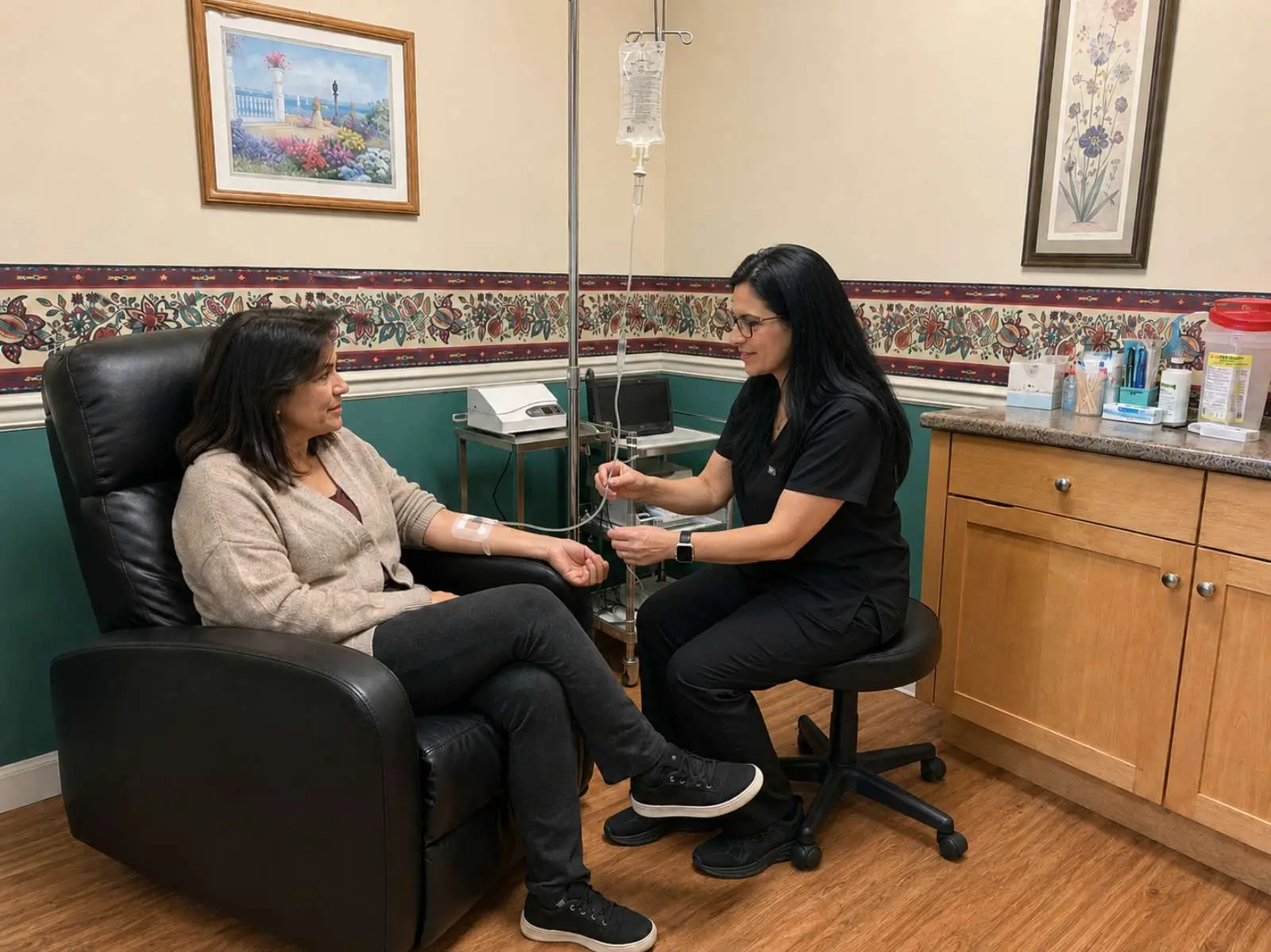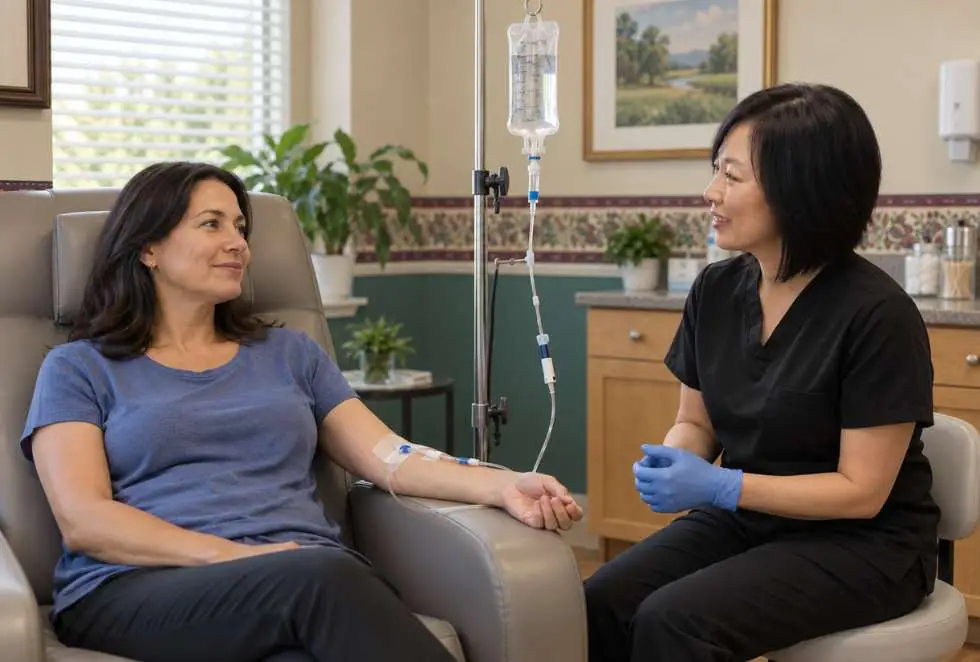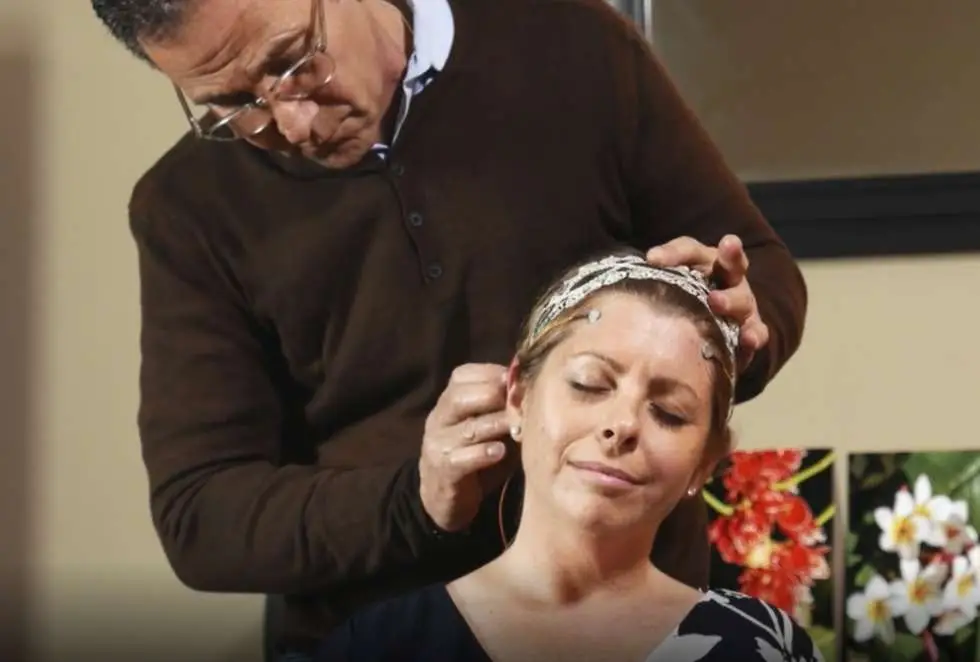
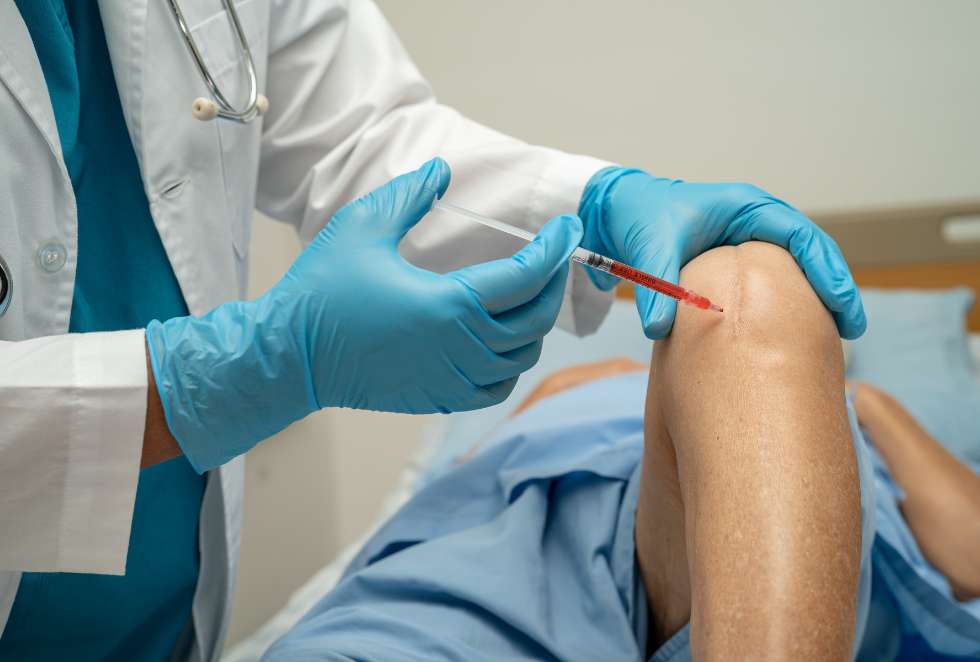
PRP sounds simple at first: draw blood, prepare platelet-rich plasma, and use it in a treatment area. The real decision has more layers. You want to know what is being injected, why platelets are used, which concerns may lead to the conversation, what the visit involves, what it may cost, and how your normal activity may change afterward.
At Health Builders, we review PRP through your health history, your treatment goal, the area being evaluated, your medications, your prior care, and the questions you bring into the visit.
What Is a PRP Injection?
PRP stands for Platelet-Rich Plasma. Your blood contains plasma, red blood cells, white blood cells, and platelets. Platelets are best known for helping blood clot, and they also contain growth factors involved in tissue repair conversations.
The American Academy of Orthopaedic Surgeons explains that PRP is plasma with a higher platelet concentration than typical blood. To prepare it, blood is drawn, platelets are separated from other blood cells through centrifugation, and the platelet-rich portion is injected into the treatment area.
That process is the basic foundation. The important part is how PRP fits your specific treatment question.
What Are PRP Injections Used For?
PRP is often discussed in orthopedics, sports medicine, tendon concerns, joint concerns, and some hair-related treatment conversations. AAOS notes that PRP research includes chronic tendon injuries and mild to moderate knee osteoarthritis, and that the effectiveness can depend on the body area, overall health, whether the concern is acute or chronic, and the preparation of the PRP.
At Health Builders, our team reviews your concerns first, then discusses whether PRP belongs in your treatment options.
How Much Do PRP Injections Cost?
PRP pricing depends on the treatment area, the visit type, the preparation process, and the follow-up plan. Cost is one of the first things many people want to understand before they schedule, especially when PRP is being discussed for joints, tendons, hair loss, or another focused treatment area.
At Health Builders, we talk through the treatment area, what the visit may involve, and what follow-up may look like before you commit to a plan. PRP is generally handled as a self-pay procedure because PRP indications are usually treated as outside insurance reimbursement.
Ask our team for current PRP pricing when you contact the office so you have clear cost information before your appointment.
How Long Should You Wait to Exercise After PRP Injections?
Exercise guidance depends on the area treated, the reason PRP is being discussed, your activity level, and our team’s instructions after the visit. A runner with heel pain, a lifter with a tendon concern, and someone asking about hair PRP may receive different guidance.
At your appointment, just tell us what you need to get back to, what you are afraid of losing, and which movements matter most in your daily life. Our team will then explain what to pause, what to avoid, and how follow-up should work based on your treatment discussion.
What Our Team Reviews With You
At Health Builders, we review your health history, treatment goal, pain or symptom pattern, prior imaging when available, prior procedures, current medications, supplements, and any health conditions that may affect PRP treatment.
We also talk through the practical side: how the blood draw works, how PRP is prepared, what area is being treated, what the visit may involve, what recovery questions you should ask, what cost questions should be answered, and how the results will be reviewed over time.
Bring The Right PRP Questions Into Your Visit
PRP is easier to understand when you separate the process from the decision. The process uses your blood to prepare platelet-rich plasma. The decision depends on your body, your health history, your treatment area, your goals, and our team’s review.
You can also read more about Platelet-Rich Plasma, Musculoskeletal and Sports Medicine, or new patient information before contacting Health Builders.