
Neurofeedback Therapy in Annandale, Virginia
- Home
- Treatment Options
- Neurofeedback Therapy
Trouble focusing, poor sleep, persistent stress, or brain fog can make work, school, relationships, and daily responsibilities harder. At Health Builders, we provide IASIS Microcurrent Neurofeedback in Annandale for patients dealing with attention problems, anxiety, sleep problems, concussion symptoms, chronic pain, and stress-related symptoms. We ask what is interfering with your day, explain how IASIS works, and help you prepare for treatment.

What Is Neurofeedback Therapy?
At Health Builders, we provide IASIS Microcurrent Neurofeedback to patients across Northern Virginia who are dealing with stress, attention problems, poor sleep, chronic pain, or cognitive changes that interfere with daily life. The brief microcurrent input can influence electrical activity involved in arousal, attention, and relaxation, helping the brain shift between these states more easily. Initial and periodic neurofeedback assessments can also include HRV and Brain Gauge to measure changes in autonomic and cognitive function as treatment continues.
Explore Neurofeedback Therapy at Health Builders
What Neurofeedback Therapy Is Used to Treat
Review how IASIS can affect stress, attention problems, concussion symptoms, chronic pain, and sleep.
Neurofeedback Therapy Benefits
See how microcurrent feedback can affect arousal, focus, mental stamina, and relaxation.
Prepare for Your Neurofeedback Session
Review safety information, what to bring, and what happens before, during, and after your appointment.
Cost, Assessments, and Coverage
Review HRV and Brain Gauge fees, insurance, and Medicare information.
How IASIS Microcurrent Neurofeedback Works at Health Builders
IASIS Microcurrent Neurofeedback uses scalp sensors to record electrical activity and deliver brief, low-intensity signals during a seated session. The process is passive, so you can sit quietly while the system records the signal and delivers the microcurrent input.
01
Scalp Sensors Record Electrical Activity
Small sensors placed on the scalp detect the electrical signals produced by brain activity. IASIS uses this information during your neurofeedback session.
02
IASIS Reads the Brainwave Frequencies
The system processes the recorded electrical activity and identifies frequency information from the brainwave signal. That information helps determine the timing of the microcurrent input.
03
The System Generates Brief Microcurrent Signals
IASIS produces very low-intensity electrical pulses for short periods. These pulses provide the active input used during microcurrent neurofeedback.
04
Microcurrent Travels Through the Scalp Leads
The electrical signals are delivered through the leads placed on the scalp. This gives the brain brief electrical input while the system continues working with the recorded activity.
05
The Leads Move to Different Scalp Locations
Movable scalp leads allow IASIS to work with electrical activity from several locations during the session. The lead positions change during the session.
06
You Remain Seated While IASIS Runs
During IASIS Microcurrent Neurofeedback, you remain seated and relaxed while the system records electrical activity and delivers brief microcurrent signals through the scalp leads. The session is passive, allowing you to sit quietly while IASIS completes the treatment.
Tools We Use to Measure Changes During Neurofeedback Care
Along with the changes you notice in focus, stress, sleep, pain, and mental stamina, we use HRV and Brain Gauge to measure changes in nervous system and cognitive function during neurofeedback care.

Heart Rate Variability
Heart rate variability, or HRV, measures small changes in the time between heartbeats. These changes provide information about the autonomic nervous system, which controls automatic functions involved in stress and recovery. HRV gives us a measurable view of how your nervous system is responding over time.

Brain Gauge Cognitive Assessment
Brain Gauge uses gentle fingertip vibrations to measure sensory processing and cognitive performance. It measures areas such as focus, processing speed, timing, accuracy, and mental fatigue, giving us another way to follow changes in cognitive function.
What We Use Neurofeedback Therapy to Treat
IASIS Microcurrent Neurofeedback works with electrical activity involved in arousal, attention, pain processing, and cognitive function. Changes in that activity can affect how easily you relax, focus, sleep, think through a demanding task, or function when pain and concussion symptoms persist.

Focus and ADHD-Related Symptoms
Attention depends on brain activity staying engaged long enough to hold a task and shifting when your attention needs to move. IASIS can influence electrical activity involved in attention and arousal, helping support steadier focus during reading, schoolwork, work tasks, and conversations.

Concussion and Cognitive Changes
A concussion can leave you dealing with headaches, brain fog, poor sleep, and reduced mental stamina. IASIS provides brief microcurrent input intended to influence persistent electrical activity, supporting concentration, mental stamina, and day-to-day cognitive function during recovery.

Stress, Anxiety, and Sleep Problems
When stress keeps brain activity in a high-arousal state, relaxing can become difficult even after the stressful event has passed. IASIS delivers brief microcurrent input intended to help that electrical activity shift. As arousal settles, it can become easier to relax, concentrate, and wind down for sleep.

Chronic Pain and Headaches
Pain is processed through the brain and nervous system as well as the part of the body that hurts. IASIS can influence electrical activity involved in arousal and pain processing, helping reduce the strain persistent pain places on sleep, concentration, mood, and daily activity.
How Neurofeedback Therapy Can Benefit You
Microcurrent neurofeedback delivers brief electrical input based on recorded brain activity. By helping electrical activity shift more easily between arousal, attention, and relaxation, IASIS can affect how you respond to stress, concentrate, think through demanding tasks, and settle at the end of the day.
Help You Feel Calmer
IASIS gives the brain brief microcurrent input while electrical activity is being recorded. This can help interrupt persistent high-stress activity, making it easier to settle down and return your attention to work, family, rest, or other parts of your day.
Promote Sustained Attention
Support Mental Stamina
Help You Wind Down for Sleep
Sleep requires the brain to move out of its daytime state. By helping electrical activity shift toward a calmer state, IASIS can make it easier to settle at night when stress or mental overactivity keeps you awake.
What to Expect Before, During, and After Neurofeedback Therapy
Knowing what to bring, how the scalp sensors are used, and which symptoms to report can make your neurofeedback appointment easier to prepare for.
Before Your Appointment
Complete your new patient forms and bring a current list of medicines and supplements. Tell us about seizures, implanted electronic devices, pregnancy, recent concussion, significant mood changes, headaches, sleep problems, and other neurologic symptoms.
During Your Appointment
You remain seated while scalp sensors are placed and connected to the IASIS system. The system records electrical activity and delivers brief microcurrent signals through the leads. You can sit quietly during the session. Tell us immediately about a headache, dizziness, nausea, unusual anxiety, or another new symptom.
After Your Appointment
Neurofeedback involves little physical recovery after the session. Pay attention to headache, dizziness, unusual fatigue, sleep changes, irritability, anxiety, or feeling mentally foggy. Tell our team when a new symptom appears or when an existing symptom becomes noticeably worse.
Ready to Discuss Neurofeedback Therapy?
Schedule an appointment if trouble focusing, poor sleep, stress, anxiety, chronic pain, or cognitive symptoms are making daily life harder. We can explain how IASIS works, answer your questions about the session, and review the health information we need before treatment begins.
Meet the Team Supporting Your Neurofeedback Care
Dr. Fuller has been an IASIS Microcurrent Neurofeedback certified provider since 2017. Dr. Kim and Andrea, FNP-BC, bring medical and primary-care experience to our clinic when symptoms, medicines, or other health questions also require medical care.

Dr. Brett Fuller, DC, CCSP, FIAMA, ICP
IASIS Microcurrent Neurofeedback certified provider & Founder


Patient Experiences With Health Builders
Trouble focusing, poor sleep, anxiety, or brain fog can wear you down, especially when symptoms have already affected work, school, relationships, or daily responsibilities. Our patients mean everything to us. We always strive to give you the care you deserve by giving you our full attention, explaining things clearly, and answering your questions because we care about you feeling safe and confident in your decision to trust us with your care.
“I wasn’t feeling well and had the pleasure of being seen and treated by Dr Kim, she was nice, patient and very knowledgeable about my condition, made me feel heard and wasn’t in a rush to get rid of me and off to her next patient. She discussed with me in detail about receiving further treatment and referred me to Dr Fuller. He was amazing!”
Claudia Peralta-Monterrosa
“I’ve been on a self care/self improvement journey for 10+ years and wanted to find somewhere local for neurofeedback; I’m so glad I found Health Builders. What I used to do at several different facilities, I can now do in one appointment with Dr. Fuller. I cannot speak highly enough about this practice and the level of care I’m provided.”
Eman Mossadeghi
“I have the utmost respect for the Doctors and staff at HealthBuilders. Doctor Kim and Doctor Fuller and Bianca are attentive to one’s needs and focus on listening and accompanying one on their healing journey. I can reach out for an appointment and they work to get me in right away and their professionalism and care is always 110%!”
Maria Sanchez-O'Brien
Neurofeedback Sessions, Assessments, Insurance, and Medicare
We explain current IASIS session pricing, any separate assessment fees, insurance, and Medicare information before you schedule.
IASIS Session Fees
IASIS neurofeedback is priced by session. Our team will give you the current session fee before you schedule and explain how visit frequency may affect your overall treatment cost. Any separate HRV or Brain Gauge assessment fee is explained before that assessment is scheduled.
Heart Rate Variability Assessment
HRV measures variation between heartbeats and gives us information about autonomic nervous system activity connected with stress and recovery. Our team will explain any assessment charge before it is scheduled.
Brain Gauge Assessment
Brain Gauge uses fingertip vibration to measure sensory processing and cognitive performance, including focus, timing, processing speed, accuracy, and fatigue. Our team will explain any assessment charge before it is scheduled.
Insurance and Medicare
We are out of network with commercial insurance. For eligible non-Medicare services, we can provide a superbill for you to submit to your plan. Dr. Fuller participates with Medicare, and Health Builders submits Medicare claims for eligible covered services he provides. Medicare coverage depends on the service being billed.
Explore Related Care
Questions About Neurofeedback?
Tell us if you are dealing with trouble focusing, poor sleep, anxiety, headaches, brain fog, chronic pain, or cognitive changes after a concussion. Also tell us about seizures, implanted electronic devices, pregnancy, recent neurologic symptoms, and changes in your medicines. Our team can answer questions about IASIS, assessments, current pricing, and appointment preparation.
How Is IASIS Different From Traditional Neurofeedback?
Traditional EEG neurofeedback usually records brainwave activity and gives visual or sound feedback while you complete a training task. IASIS Microcurrent Neurofeedback uses a passive microcurrent protocol. Scalp sensors record electrical activity while the system delivers brief, low-intensity signals through the sensor leads.
What Does IASIS Microcurrent Neurofeedback Feel Like?
IASIS uses very low-intensity electrical signals during a seated session with scalp leads in place. The signal itself can be subtle, while the scalp sensors and conductive material create the physical contact you are most likely to notice.
Tell us immediately about headache, dizziness, nausea, unusual anxiety, discomfort, or another new symptom during treatment.
Is a QEEG or Brain Map Required Before Neurofeedback?
A QEEG, or quantitative EEG, records electrical activity from multiple scalp locations and analyzes those signals in more detail. Some neurofeedback practices use QEEG to plan treatment.
Our neurofeedback assessment options include HRV and Brain Gauge. HRV measures autonomic nervous system activity, while Brain Gauge measures sensory processing and cognitive performance. We explain which assessments are part of your IASIS care before treatment begins.
Can I Keep Taking My Medicines During IASIS Neurofeedback?
Continue prescription medicines according to the instructions from the doctor or prescriber who manages them. Bring an accurate list of your medicines and supplements to your appointment.
Tell us about recent changes involving medicines for sleep, mood, attention, pain, seizures, or another neurologic condition. Medicine changes can affect the symptoms we are following during neurofeedback.
What Side Effects Can Happen After Neurofeedback?
Reported short-term reactions can include headache, dizziness, fatigue, sleep changes, irritability, anxiety, nausea, feeling mentally foggy, or a temporary increase in symptoms.
Tell us about a new or stronger reaction after IASIS. Sudden weakness, speech changes, loss of consciousness, a seizure, severe confusion, or another severe neurologic change requires immediate medical care.
Is IASIS the Same as TMS?
IASIS and transcranial magnetic stimulation, or TMS, are separate treatments that use different types of energy. TMS places a magnetic coil against the scalp and sends magnetic pulses into targeted areas of the brain. IASIS microcurrent neurofeedback uses scalp sensors to record electrical activity and delivers very low-intensity electrical signals through the sensor leads.
The treatment experience also feels different. During IASIS, you remain seated and relaxed while the system records brain activity and delivers brief microcurrent signals. TMS uses a coil positioned against the head during a series of magnetic pulses. Our care team can explain which type of treatment is being discussed and what you can expect during the appointment.
Neurofeedback Therapy FAQs
These answers cover IASIS compared with traditional neurofeedback, treatment sensation, brain mapping, medicines, side effects, and TMS.
Still Have Questions?
Call our clinic or send us a message. Our team answers questions about IASIS, assessments, treatment sensation, safety, current pricing, and appointment availability.
Ready to Talk About Neurofeedback Therapy?
Tell us if trouble focusing, poor sleep, stress, anxiety, chronic pain, or cognitive symptoms are interfering with your day. We can answer your questions about IASIS, assessments, pricing, and scheduling.
Explore Our Holistic Health Hub
Read our current articles about treatment options, safety, cost, appointment preparation, and questions to ask before scheduling.
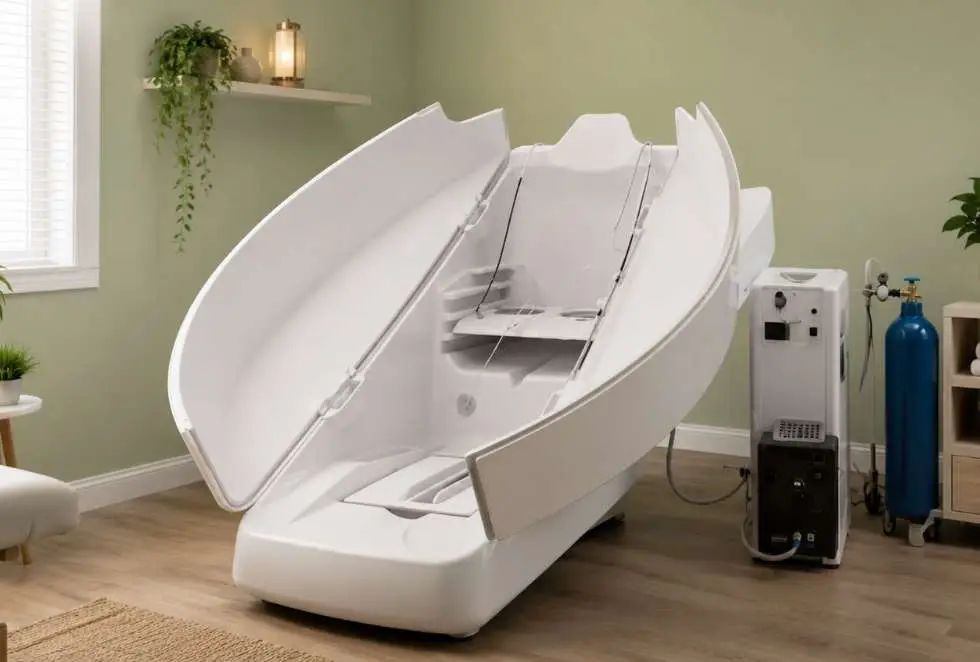
HOCATT Ozone Sauna: Cost, Session Details, and Availability
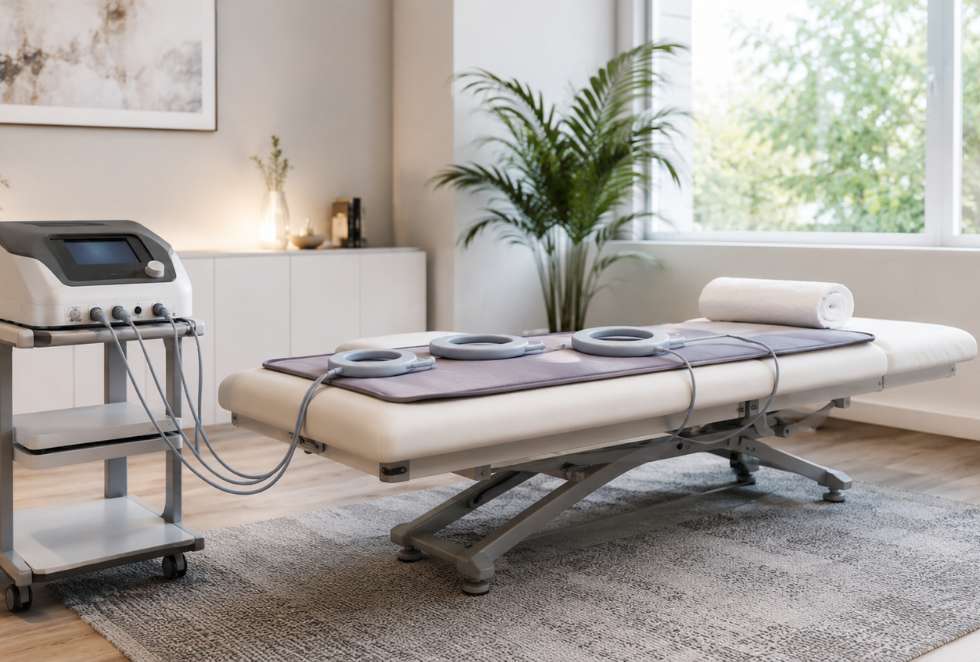
PEMF Therapy: What It Is and Where It Fits With Musculoskeletal Care
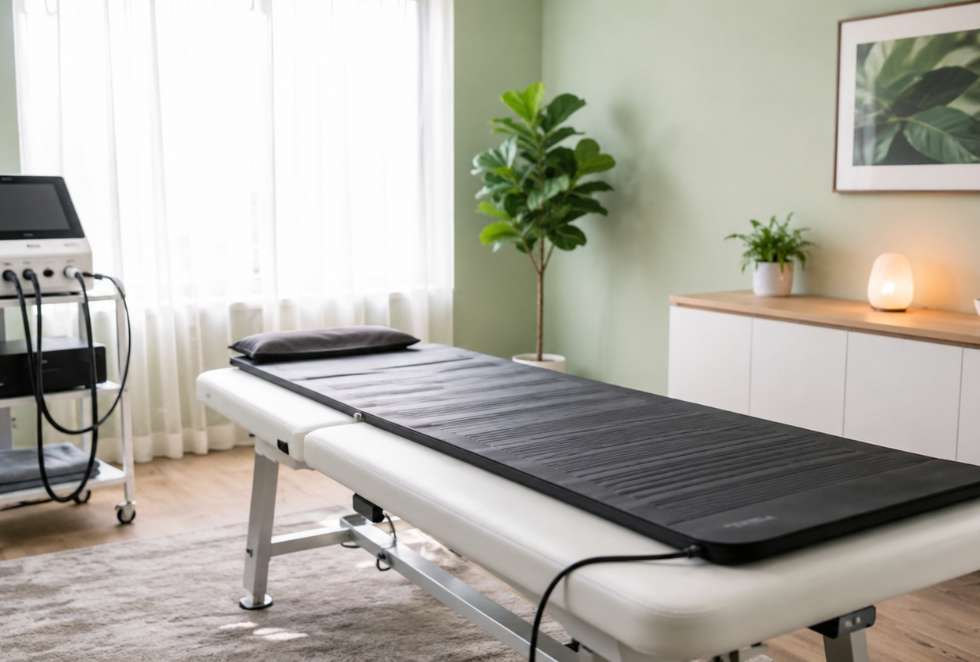
PEMF Therapy: Mats, Cost, and How It Compares With Shockwave
Questions About Starting Care With Us?
Find answers about scheduling, forms, fees, insurance, payment, and what to expect when you begin care with us.
Schedule a Neurofeedback Therapy Appointment in Annandale
Tell us if you are asking about focus, sleep, stress, anxiety, concussion symptoms, chronic pain, pricing, or appointment availability. We will contact you about scheduling, IASIS pricing, assessments, and preparation.