
When your brain feels different, daily life can start taking more effort than people realize. Focus takes more energy. Sleep feels less dependable. Stress feels louder. A conversation, screen, school day, workday, or crowded room can drain you faster than it used to.
That is what brings many people to neurofeedback. They may be dealing with ADHD questions, anxiety, sleep problems, post-concussion symptoms, trauma history, brain fog, headaches, mood changes, or a nervous system that feels stuck on high alert.
The CDC says mild TBI and concussion symptoms can affect how you feel, think, act, and sleep. Their symptom list includes light or noise sensitivity, dizziness, fatigue, headaches, attention problems, feeling slowed down, memory problems, anxiety, irritability, and sleep changes.
At Health Builders, IASIS Microcurrent Neurofeedback gives our care team another treatment option to discuss when brain and nervous-system symptoms are part of your story.
What Is IASIS Microcurrent Neurofeedback?
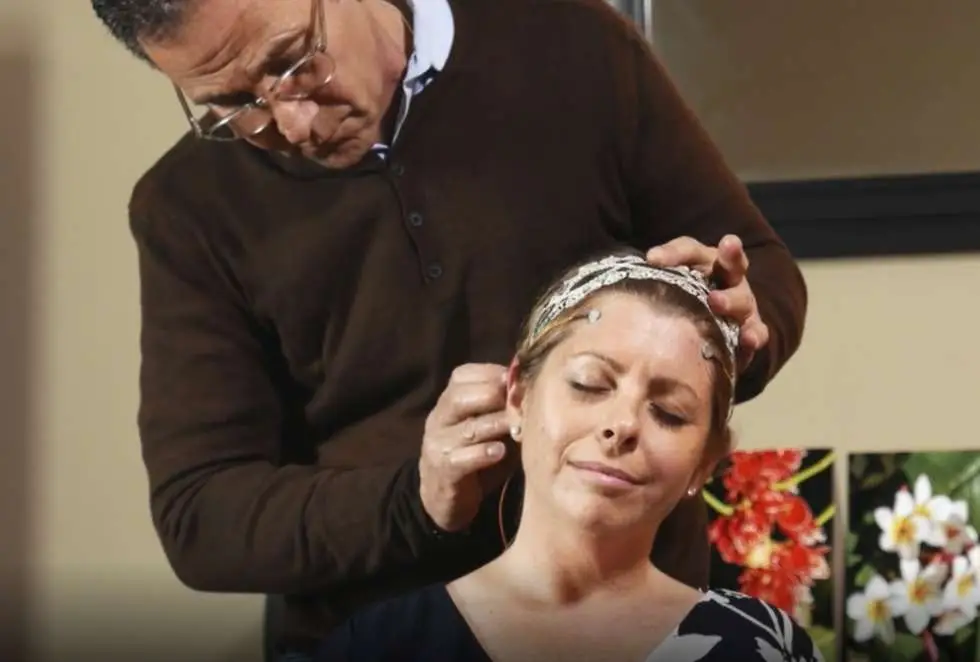
IASIS Microcurrent Neurofeedback is a microcurrent-based neurofeedback treatment. Microcurrent means a very small electrical current. Neurofeedback refers to technology that works with brainwave activity.
A session is designed to be calm and guided. You do not need to perform mental exercises or force your brain into a certain state. Our care team explains the setup, what the system is doing, and how the session is structured before treatment begins.
People often ask about IASIS because they want a treatment option that connects brain function, nervous-system regulation, stress, sleep, and focus in one conversation.
Why People Ask About Neurofeedback
Most people do not search for neurofeedback because everything is going well. They search because something feels harder than it should.
A child may be struggling with attention, school demands, emotional regulation, or sleep. An adult may be dealing with anxiety, stress, focus problems, fatigue, or a nervous system that stays activated long after the stressful moment passes. Someone with a concussion history may feel slower, foggier, more sensitive to noise, or less able to handle screens and work demands.
These problems can be frustrating because they do not always show up on the outside. You may look fine while using extra effort to concentrate, stay calm, remember details, get through the day, or recover from stimulation.
IASIS Microcurrent Neurofeedback gives us a way to talk about those patterns in a structured treatment setting.
Brain Injury and Post-Concussion Symptoms Deserve Attention
Brain injury is common enough to deserve real attention. In April 2026, the CDC reported approximately 214,110 TBI-related hospitalizations in 2020 and 68,663 TBI-related deaths in 2023. The CDC also notes that these estimates leave out many TBIs treated in emergency departments, primary care, urgent care, or left untreated.
For people living with post-concussion symptoms, the most difficult part is often the gap between how life looks and how life feels. You may still be working, parenting, studying, exercising, and showing up, while your brain feels slower, more sensitive, or less reliable.
IASIS Microcurrent Neurofeedback belongs in that conversation because concussion history, focus, sleep, mood, stress response, and brain fatigue often overlap. We review what happened, what symptoms remain, what you have already tried, and how IASIS may fit your treatment plan.
When Focus, Sleep, Stress, and ADHD Affect Daily Life
Focus problems can change the whole rhythm of your day. You reread the same line, forget why you walked into a room, lose your place in conversation, or spend more energy than expected staying organized.
Sleep changes can make everything heavier the next morning. Stress can keep your body braced long after the stressful moment has passed. ADHD questions can affect follow-through, frustration tolerance, school demands, work performance, and family routines.
These concerns can feel hard to explain because people around you may only see the outside. Inside, you may be working harder to stay present, calm, focused, and consistent.
At Health Builders, we review what you notice in real life: when symptoms started, what makes them worse, what helps, what diagnoses or medications are already part of your history, and what you want your treatment plan to support.
What Happens During Your Neurofeedback Appointment?
Your appointment starts with your story. We review your symptoms, sleep, stress, focus, mood, concussion history, trauma history, medications, supplements, prior testing, and current treatment plan.
If IASIS Microcurrent Neurofeedback fits your treatment plan, our care team explains the session setup, where sensors may be placed, what the session involves, how long your visit may take, and how follow-up is handled.
Our goal is to make the treatment feel understandable before you begin. You should know what IASIS is, why it is being discussed, what your care team is reviewing, and how the session connects with the symptoms or goals bringing you into care.
How Much Does IASIS Neurofeedback Cost?
With us, IASIS Neurofeedback is $135 per session. Initial and periodic assessments may have separate fees, including HRV and Brain Gauge assessments when they are part of your visit.
Before your appointment, our team reviews your session fee, any assessment costs, payment expectations, and insurance questions so you know what to plan for.
If you want to ask your insurance plan about reimbursement, ask about out-of-network benefits, superbill rules, visit coverage, and patient responsibility.
What to Bring Into Your Appointment
Bring the details you may have stopped mentioning because they feel hard to explain. Tell us about focus problems, sleep changes, stress reactions, anxiety, irritability, brain fog, memory problems, headaches, screen intolerance, light or noise sensitivity, concussion history, trauma history, ADHD diagnosis, medications, supplements, prior therapy, prior testing, and what daily life feels like when symptoms are active.
If your concern follows a head injury and symptoms are new, worsening, or severe, emergency symptoms need urgent medical attention. For ongoing brain-health questions, your appointment helps us connect your history, current symptoms, and treatment options in one place.
You can use new patient information to prepare your forms, records, medications, supplements, and the details you want our care team to understand before contacting Health Builders.