A mild traumatic brain injury can be hard to explain because the outside world may see you as fine. You may still be working, parenting, driving, exercising, or showing up to your normal responsibilities while your brain feels different inside.
Focus can feel slower. Noise can feel sharper. Sleep can change. Memory can feel unreliable. Mood can shift faster than it used to. You may be tired of trying to describe a problem that other people cannot see.
The CDC reported in April 2026 that there were about 214,110 TBI-related hospitalizations in 2020 and 68,663 TBI-related deaths in 2023. Those numbers do not include many TBIs treated in emergency departments, primary care, urgent care, or never treated at all.
At Health Builders, we treat brain-health questions with that seriousness. If concussion history, mild TBI, post-concussion symptoms, stress, sleep, focus, or nervous system concerns are part of your story, our team can talk with you about whether IASIS Microcurrent Neurofeedback belongs in your treatment plan.
Why Mild TBI Can Still Disrupt Daily Life
The word “mild” can feel misleading when your day still feels changed. The CDC explains that a mild TBI or concussion can happen after a bump, blow, or jolt to the head, or after a hit to the body that makes the head and brain move quickly back and forth. That movement can lead to chemical changes in the brain and stretching or damaging of brain cells.
The symptoms can touch more than your head. The CDC lists physical symptoms such as light or noise sensitivity, dizziness, fatigue, headaches, nausea, and vision problems. It also lists thinking and memory symptoms such as concentration problems, feeling slowed down, brain fog, memory problems, and trouble thinking. Mood and sleep can change too.
That is why a brain-injury conversation should include your real life, not only the date of the injury. Your work, school, driving, workouts, screen time, sleep, mood, and relationships can all show how your brain is handling recovery.
What Is IASIS Microcurrent Neurofeedback?
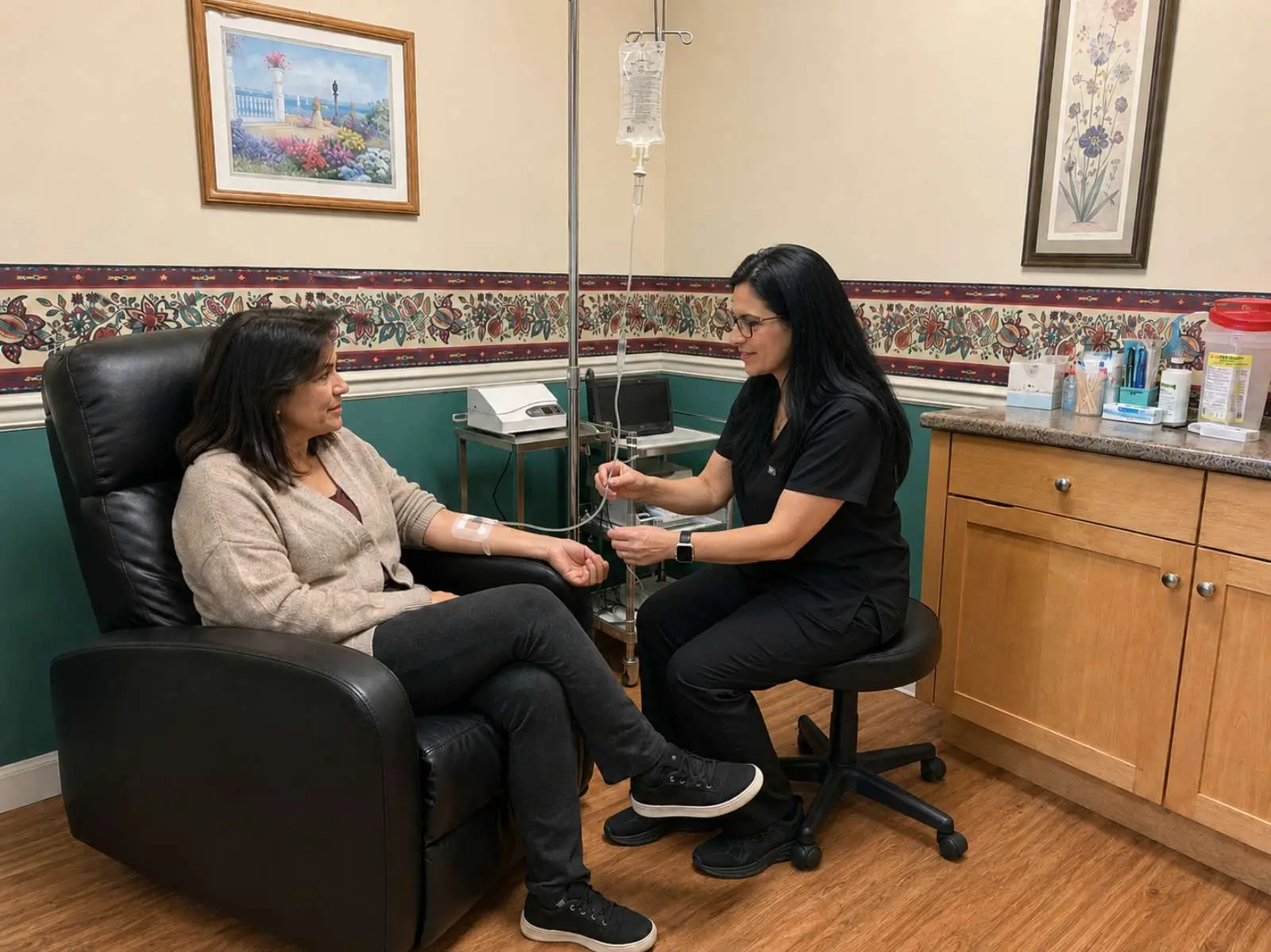
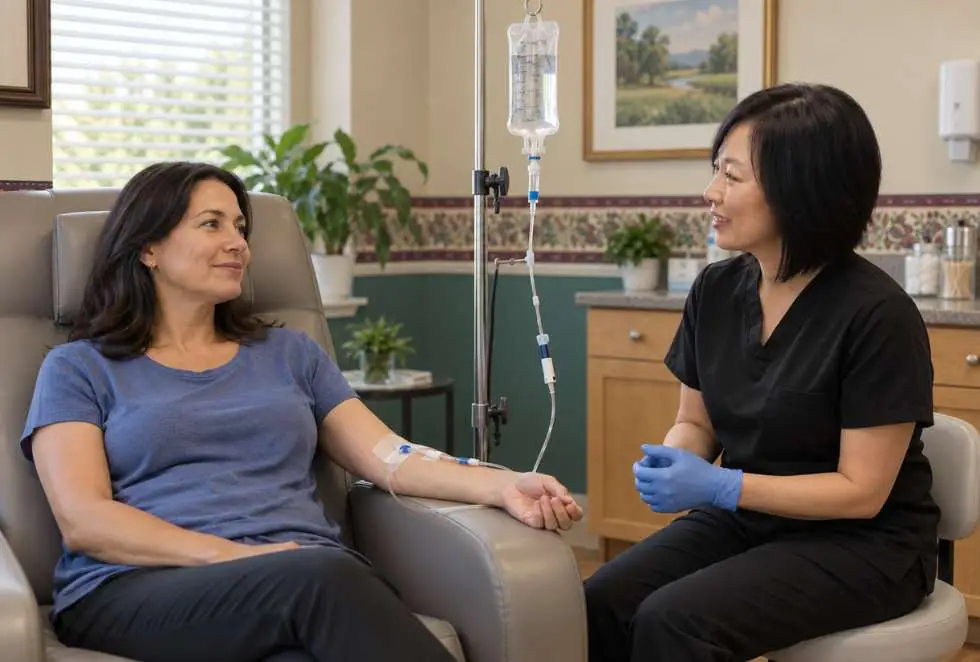
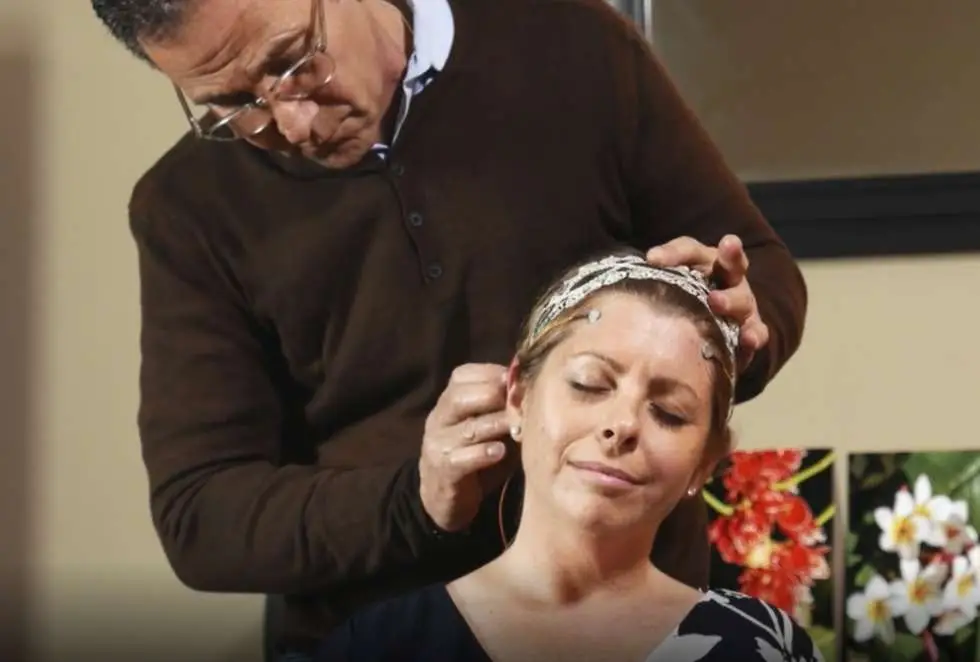
IASIS Microcurrent Neurofeedback is a low-intensity microcurrent treatment used in a neurofeedback-style session. The treatment uses tiny electrical signals and scalp placements to interact with brainwave patterns while you rest during the session.
People often ask about IASIS after reading about microcurrent neurofeedback, concussion recovery, post-concussion symptoms, stress, trauma, sleep, focus, or nervous system regulation. The treatment name can sound technical, so the first job is simple: understand what session you are scheduling, what the system does, what our team reviews, and how IASIS may connect with your treatment plan.
We explain the treatment in plain language before your appointment moves forward.
What Did the IASIS Mild TBI Study Look At?
The IASIS mild TBI study followed six people with persistent post-concussion symptoms. Researchers used low-intensity pulse-based transcranial electrical stimulation with IASIS and measured brain activity before and after treatment with EEG and MEG imaging.
The study reported reduced abnormal slow-wave activity and improved post-concussion scores after treatment. For patients searching for neurofeedback after a concussion or mild TBI, that makes the research relevant because it looks at the same kinds of lingering symptoms that can affect focus, memory, sleep, mood, and daily function.
At Health Builders, we use that kind of research to support a more informed appointment. We review what happened, what symptoms remain, what has already been tried, and whether IASIS Microcurrent Neurofeedback fits your treatment plan.
Why This Research Matters for Post-Concussion Symptoms
A concussion can change the way your brain handles normal life. Work, screens, noise, sleep, memory, mood, and focus can all feel different after the injury. When symptoms linger, people want something more specific than “wait and see.”
That is why the IASIS study is worth knowing about. Researchers looked at people with mild TBI and persistent post-concussion symptoms, then measured brain activity before and after IASIS treatment using EEG and MEG imaging. The study focused on abnormal slow-wave activity and post-concussion scores, which are directly connected to the kinds of symptoms people are trying to understand after a brain injury.
For someone living with post-concussion symptoms, the value is the direction of the conversation. IASIS gives you a treatment option to ask about when your brain still feels different, your symptoms are affecting daily life, and you want Health Builders to review your history with more detail.
What to Bring Up Before Your Appointment
Bring the details you may have stopped mentioning. Tell us when the injury happened, how many head injuries you have had, whether symptoms started immediately or days later, and what still feels different.
Also share headaches, dizziness, light sensitivity, noise sensitivity, brain fog, memory changes, sleep disruption, mood changes, irritability, neck pain, screen intolerance, driving concerns, work problems, school problems, balance issues, medications, supplements, imaging, specialist visits, and any prior concussion treatment.
If you have danger signs such as repeated vomiting, seizures, worsening headache, slurred speech, unusual behavior, worsening confusion, weakness, numbness, loss of consciousness, or trouble waking, seek emergency care right away. The CDC lists those as danger signs after mild TBI or concussion.
For non-emergency brain-health questions, your appointment should help you connect the injury history, your current symptoms, and your treatment choices. You can read more about IASIS Microcurrent Neurofeedback before contacting Health Builders.